Introduction
The Milky Way is the galaxy to which our solar system belongs.
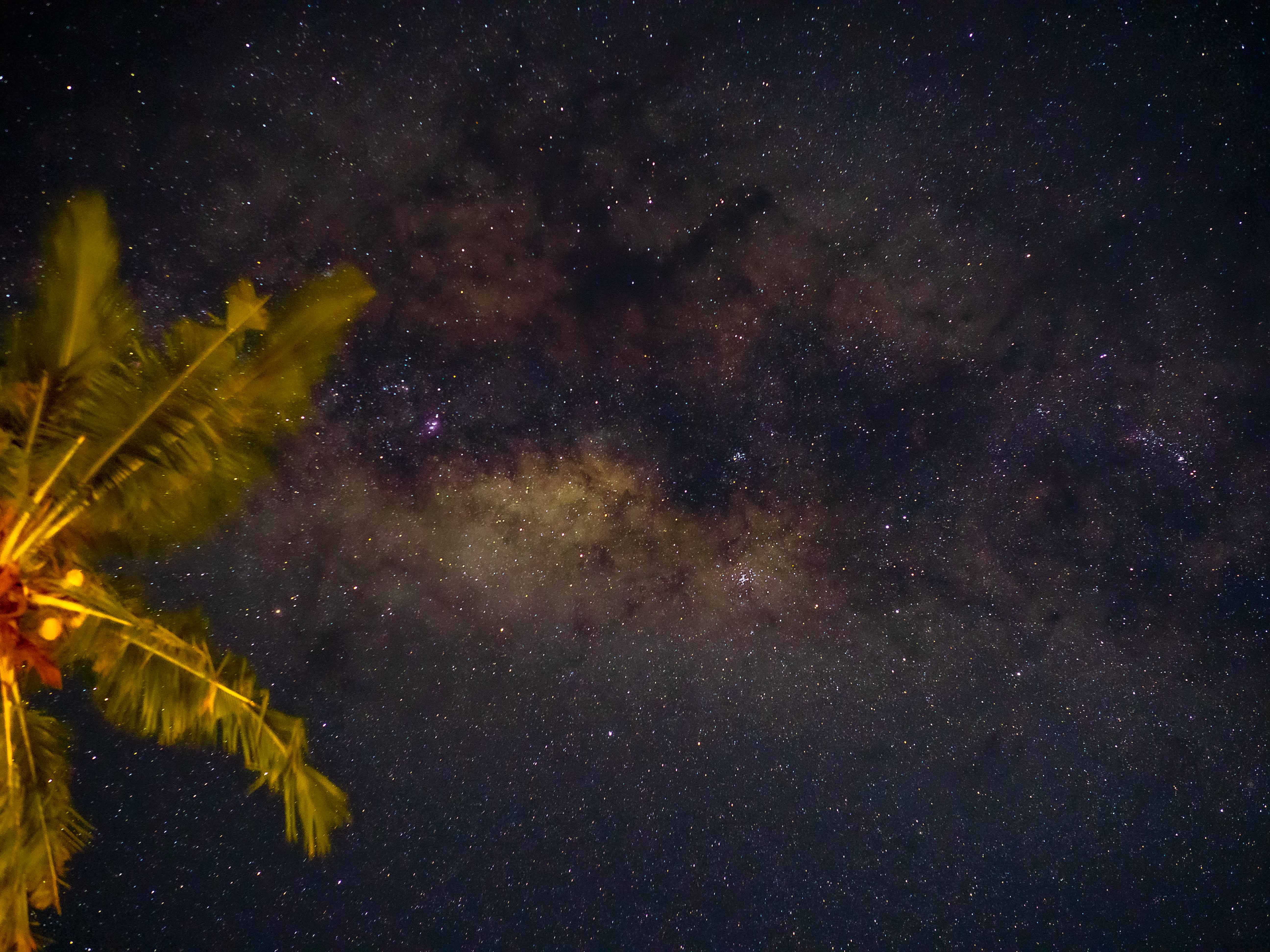
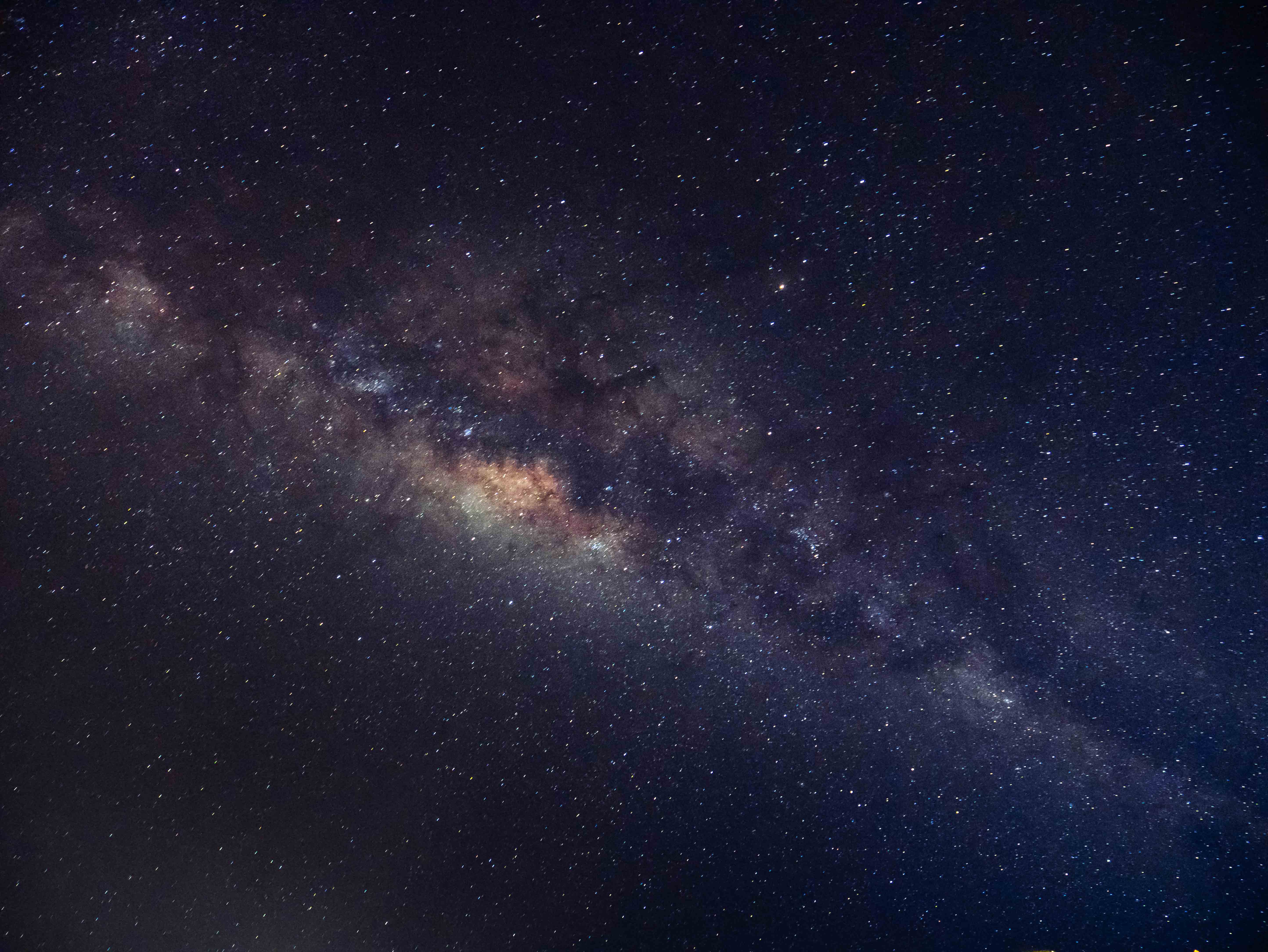
When viewed from Earth, it appears as a faint, milky band crossing the night sky, composed of billions of stars too distant to be distinguished individually with the naked eye.
Physical Characteristics
The Milky Way is a barred spiral galaxy containing roughly 200 to 400 billion stars.
Its diameter is estimated at about 100,000 light-years, with an average thickness of 1,000 light-years in the galactic disk.
- Galactic nucleus: hosts a supermassive black hole known as Sagittarius A*.
- Galactic disk: contains the spiral arms where new stars are born.
- Halo: a spherical region containing globular clusters and dark matter.
The Sun lies about 26,000 light-years from the galactic center, in the Orion Arm.
Origin and Evolution
The formation of the Milky Way dates back over 13 billion years, shortly after the Big Bang.
It gradually formed through the accretion and merging of smaller galaxies.
Its evolution continues today: the Milky Way interacts gravitationally with nearby galaxies, especially Andromeda, with which it is expected to merge in about 4 billion years.
Observation
- With the naked eye: visible as a luminous band under dark skies free of light pollution.
- In astrophotography: long exposures reveal the dark interstellar dust lanes and bright nebulae.
- In radio astronomy: the 21 cm hydrogen line allows detailed mapping of its internal structure.